What Are Great Mindfulness Exercises?
Simple Practices for Daily Calm
5/8/202410 min read


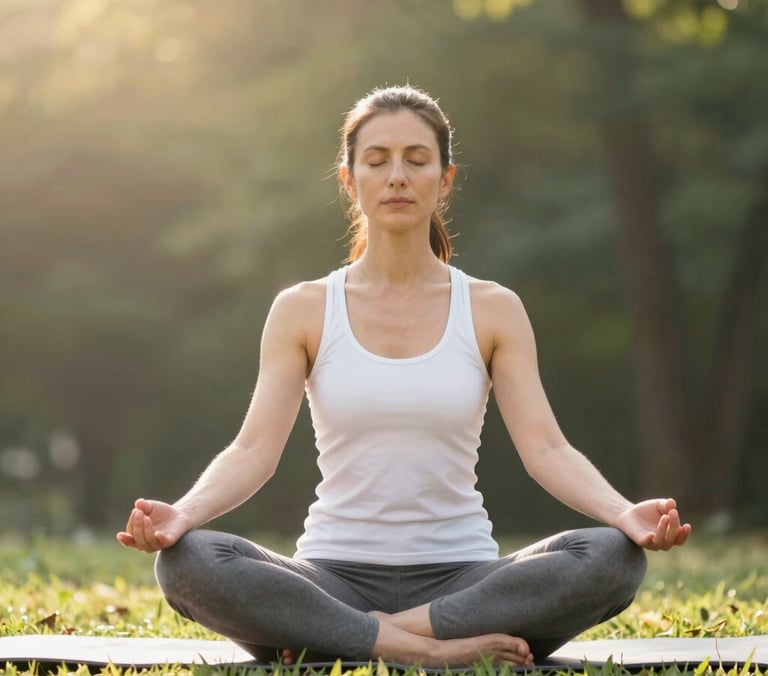
Mindfulness exercises are structured practices that help you focus on the present moment by directing your attention to your breath, bodily sensations, thoughts, or surroundings without judgment. These techniques range from simple breathing exercises and body scans to mindful walking and eating, making them accessible whether you're just starting out or looking to deepen an existing practice.
The benefits of mindfulness include reduced stress, improved emotional regulation, enhanced focus, and better overall mental health, and research shows that regular practice can make you happier, healthier, and more resilient in daily life. You don't need special equipment, extensive training, or hours of free time to get started. Simple practices like paying attention to your breath for a few minutes or noticing sensations while eating can fit naturally into your routine.
This guide walks you through foundational techniques to help you begin, practical activities you can weave into everyday moments, and options for group settings or more advanced work. You'll discover how mindfulness takes practice like any skill, but with a bit of direction and consistency, you can cultivate greater present-moment awareness that supports your wellbeing.
Core Mindfulness Techniques for Beginners
Starting with fundamental practices helps you build a sustainable mindfulness meditation routine. These techniques require no special equipment and can be practiced anywhere, making them accessible entry points for developing present-moment awareness.
Mindful Breathing Exercises
Mindful breathing serves as the foundation for most mindfulness practices. You focus your attention on the natural rhythm of your breath, noticing the sensation of air entering and leaving your body. When your mind wanders, you gently guide your focus back to your breathing without judgment.
You can practice this breathing exercise for just a few minutes at a time. Start by finding a comfortable seated position and placing one hand on your belly. Notice how your abdomen rises with each inhale and falls with each exhale.
The relaxation response often occurs naturally as you maintain this focused attention. Your breath acts as an anchor that keeps you grounded in the present moment rather than caught up in thoughts about the past or future.
Try counting your breaths from one to ten, then starting over. This simple technique helps maintain concentration and makes the practice more structured for beginners.
Body Scan and Body Awareness
Body scan meditation involves systematically directing your attention through different parts of your body. You typically start at your toes and gradually move upward to the crown of your head. This mindful body scan helps you notice physical sensations, tension, and areas of relaxation throughout your body.
Lie down on your back or sit in a comfortable position. Spend 20-30 seconds on each body part, observing any sensations without trying to change them. You might notice warmth, coolness, tingling, tightness, or no particular sensation at all.
The practice builds body awareness and helps you recognize where you hold stress. Many people discover they carry tension in their shoulders, jaw, or neck without realizing it. As you bring attention to these areas, they often naturally release and relax.
Guided Meditation and Visualization
Guided meditation provides verbal instructions that walk you through a mindfulness practice. An instructor or recorded voice leads you through breathing techniques, body awareness, or visualization exercises. This format works well for beginners who benefit from external structure and direction.
Visualization adds a mental imagery component to your practice. You might picture a peaceful scene like a beach or forest, imagining the sights, sounds, and sensations in vivid detail. This technique helps calm your mind by giving it a specific focus point.
You can find guided meditation recordings ranging from 5 to 60 minutes. Choose shorter sessions when starting out to build consistency without feeling overwhelmed.
3-Minute Breathing Space
The 3-minute breathing space offers a quick mindfulness practice you can use during busy days. This structured technique divides three minutes into distinct phases that help you reset and refocus.
Minute 1: Acknowledge your current experience. Notice your thoughts, emotions, and body sensations without trying to change them.
Minute 2: Narrow your focus entirely to your breath. Count each inhale and exhale, letting everything else fade to the background.
Minute 3: Expand your awareness to include your whole body while maintaining breath awareness. Notice how your body feels as a complete system.
This condensed format fits easily into work breaks, commutes, or moments of stress. The brevity makes it sustainable even on your busiest days, while still providing meaningful benefits for emotional regulation and mental clarity.
Everyday Mindfulness Activities
Mindfulness can transform routine activities into opportunities for present-moment awareness and stress reduction. Simple practices like walking meditation, eating with intention, using your five senses to ground yourself, and reflecting through journaling can build emotional resilience without requiring extra time in your day.
Mindful Walking and Walking Meditation
Walking meditation turns ordinary movement into a practice of awareness. You focus attention on the physical sensations of walking—the lifting and placing of each foot, the shift of weight, the contact between your feet and the ground. This differs from regular walking because you move slowly and deliberately, making each step an anchor to the present moment.
You can practice this indoors or outdoors, though many people find natural settings particularly calming. Start by standing still and noticing your posture. Begin walking at a pace slower than usual, paying attention to how your muscles engage with each step. When your mind wanders to thoughts about your day or worries, gently redirect your focus back to the sensation of walking.
The practice doesn't require any special equipment or location. Even a short hallway works well for beginners learning to coordinate breath with movement.
Mindful Eating and the Raisin Exercise
Mindful eating involves bringing full attention to the experience of consuming food. The raisin exercise serves as a classic introduction to this practice, though you can use any food with interesting texture or taste.
Hold the raisin and examine it as if you've never seen one before. Notice its color, shape, and texture. Feel the ridges and valleys on its surface. Bring it close to your nose and observe its smell. Place it in your mouth without chewing, noticing how your tongue responds. Finally, bite into it slowly, paying attention to the flavors and sensations as you chew.
This exercise trains you to slow down during meals and recognize when you're actually hungry versus eating out of habit or emotion. When you bring this awareness to regular meals, you often discover you need less food to feel satisfied and enjoy what you eat more fully.
Grounding Techniques for Stress Reduction
Grounding techniques use your five senses to anchor you in the present when anxiety or stress pulls you into worry. The 5-4-3-2-1 grounding exercise is particularly effective during moments of overwhelm or panic.
Here's how the 5-4-3-2-1 grounding exercise works:
5 things you can see: Look around and name five objects in your environment
4 things you can touch: Notice four textures or sensations on your skin
3 things you can hear: Identify three distinct sounds around you
2 things you can smell: Find two scents in your space
1 thing you can taste: Notice any taste in your mouth or take a sip of water
This grounding technique interrupts rumination by redirecting attention from internal thoughts to external sensory information. You can complete it in under two minutes, making it practical for stressful moments at work, in social situations, or before sleep.
Journaling and Gratitude Practice
Journaling creates a structured space for self-reflection and processing emotions. You don't need to write lengthy entries—even a few sentences noting your thoughts, feelings, or experiences can increase self-awareness. The act of putting thoughts into words helps you examine them from a slight distance rather than being completely absorbed by them.
Gratitude practice focuses specifically on acknowledging positive aspects of your life. Research shows that regularly noting things you're grateful for can improve mood and resilience. You might list three specific things each day, from major life circumstances to small pleasures like a good cup of coffee or a kind word from a colleague.
The key is specificity rather than general statements. Instead of writing "I'm grateful for my family," you might note "I appreciated when my partner made dinner tonight so I could rest." This detail makes the practice more meaningful and helps you notice positive moments you might otherwise overlook.
Advanced and Group Mindfulness Practices
As your mindfulness practice deepens, you can explore more sophisticated techniques that involve working with others or developing specific mental qualities like compassion. Group settings offer unique benefits through shared accountability and collective energy, while advanced practices such as loving-kindness meditation and structured programs provide frameworks for sustained personal growth.
Mindfulness Activities for Groups
Group mindfulness creates opportunities for connection and mutual support that solo practice cannot replicate. When you practice with others, you benefit from social facilitation—the phenomenon where people perform better when others are present.
Anchor breathing works well as an introductory group exercise. You simply observe your thoughts, emotions, and physical sensations while focusing on your breath, remaining curious and compassionate throughout. This practice helps everyone become comfortable meditating in a shared space.
Silent connections leverages group dynamics effectively. You walk around the room silently, communicating only through non-verbal cues like eye contact, smiling, and facial expressions. This builds positive connections without speaking and helps you practice present-moment awareness with others.
Mindful movement benefits those who struggle with static meditations. You perform gentle movements while maintaining focus on each breath and the accompanying sensations. The group setting provides motivation to show up consistently, meeting your psychological needs for relatedness and competence as you practice together.
Loving-Kindness and Self-Compassion
Loving-kindness meditation cultivates warm feelings toward yourself and others through repeated phrases of goodwill. You typically start by directing kind wishes toward yourself, then gradually extend them to loved ones, neutral people, difficult people, and finally all beings.
The practice often uses phrases like "May I be happy, may I be healthy, may I be safe, may I live with ease." You repeat these silently while connecting with the genuine wish behind the words.
Self-compassion requires treating yourself with the same kindness you would offer a good friend. When you notice self-criticism or suffering, you acknowledge the pain without judgment. You recognize that imperfection and struggle are part of the shared human experience.
This practice reduces anger, depression, and stress while improving your overall wellbeing. You can combine self-compassion with forgiveness meditations, visualizing someone who has harmed you and practicing saying "I forgive you" while observing your feelings and physical sensations.
Mindfulness-Based Programs (MBSR & MBCT)
Mindfulness-Based Stress Reduction (MBSR) is an eight-week structured program that teaches formal meditation practices alongside mindful awareness in daily activities. You learn body scan meditations, sitting meditation, and mindful movement through weekly group sessions and daily home practice.
Mindfulness-Based Cognitive Therapy (MBCT) combines mindfulness practices with cognitive therapy principles to prevent depression relapse. You work with the group to identify and respond skillfully to thoughts, feelings, and bodily sensations.
A typical MBCT session includes:
Opening with a mindfulness practice like body scan
Exploring the session's theme through discussion
Using participatory dialogue to investigate experiences
Practicing short mindful sessions throughout
Closing with brief meditation
The group environment in both MBSR and MBCT provides accountability for completing weekly homework and normalizes your experiences through social comparison. Research shows these mindfulness meditation programs (MBI) effectively reduce symptoms of anxiety, stress, and depression across various populations.
DBT and Mindfulness Worksheets
Dialectical Behavior Therapy (DBT) incorporates mindfulness as a core skill for emotion regulation. DBT mindfulness teaches you to observe and describe experiences without judgment, participate fully in the present moment, and balance acceptance with change.
The practice focuses on "what" skills—observing, describing, and participating—and "how" skills—taking a non-judgmental stance, focusing on one thing at a time, and doing what works. You apply these in daily situations to manage intense emotions and improve relationships.
Mindfulness worksheets provide structured formats for tracking your practice and developing specific skills. You might use worksheets to record daily meditation sessions, identify triggers for mindless behavior, or practice specific techniques like STOP (Stop, Take a breath, Observe, Proceed).
These tools work particularly well in group settings where you can share experiences and solutions to common challenges. Worksheets create accountability and help you measure progress over time, making abstract mindfulness concepts more concrete and actionable for your continued development.
Integrating Mindfulness Into Daily Life
Building a sustainable mindfulness practice requires weaving it into your existing routines and using available resources strategically. The key is making mindfulness accessible through habit formation, technology, and understanding its tangible benefits for sleep, stress, and emotional well-being.
Habit Stacking and Daily Mindfulness Routines
Habit stacking pairs mindfulness with activities you already do, making practice automatic rather than an additional task. You can practice mindful breathing while your coffee brews, take three conscious breaths before checking your phone, or do a brief body scan while waiting for your computer to start.
Start with just 2-3 minutes attached to existing habits. Notice your thoughts during your morning shower or practice mindful walking from your car to your office. The simple habit of pausing before transitions—between meetings, meals, or tasks—creates natural mindfulness moments throughout your day.
Today might feel too busy for formal meditation, but these micro-practices accumulate. You don't need a quiet room or special cushion. Your daily routines become the foundation for consistent practice when you anchor mindfulness to activities like brushing your teeth, eating lunch, or commuting.
Digital Tools and Mindfulness Apps
Apps like Headspace, Insight Timer, and Ten Percent Happier provide structured guidance for beginners and experienced practitioners alike. Headspace offers themed courses for specific challenges like stress or focus. Insight Timer features thousands of free meditations with customizable session lengths. Ten Percent Happier emphasizes practical, skeptic-friendly approaches backed by teachers and neuroscience.
These tools offer reminders, progress tracking, and varied content to prevent monotony. Many include features like timed sessions, ambient sounds, and courses addressing specific needs from anxiety to sleep.
The irony of using technology to disconnect isn't lost, but these apps meet you where you are. Set specific times for practice rather than scrolling endlessly through options. Choose one app and explore it thoroughly before switching.
Improving Sleep Quality and Burnout Recovery
Mindfulness directly addresses the racing thoughts and physical tension that interfere with rest. Body scan meditations before bed help you release muscle tension systematically. Mindful breathing activates your parasympathetic nervous system, signaling your body it's safe to sleep.
For burnout recovery, daily mindfulness provides essential space between stimulus and reaction. You begin noticing early warning signs—tight shoulders, irritability, exhaustion—before they escalate. Regular practice rebuilds your capacity to rest without guilt.
Improve sleep quality by establishing a 10-minute pre-bed routine that includes turning off screens, gentle stretching, and breathing exercises. This consistent wind-down signals your brain that sleep approaches.
Emotional Regulation and Mental Health Benefits
When you notice your thoughts without judgment, you create distance between feeling and reaction. This gap allows you to choose responses rather than defaulting to automatic patterns. Emotional regulation improves as you recognize emotions as temporary states rather than facts.
Stress reduction occurs through repeated practice of returning attention to the present moment. Your nervous system learns to shift from fight-or-flight to rest-and-digest more readily. You might still experience stress, but you'll recover faster and with less residual tension.
Mental health benefits extend beyond symptom reduction. You develop self-compassion as you observe your inner experience with curiosity rather than criticism. Notice your thoughts about difficult situations without becoming overwhelmed by them. This skill transfers to relationships, work challenges, and daily frustrations.